

The Real Price of Free Content [What Creators and Users Need to Know]
You’ve seen the phrase “free content” all over the internet. Whether you’re a creator hustling for attention or a user looking for the next best thing, it’s everywhere. But here’s the thing: nothing online is ever truly free. There are real costs hiding behind every article, video, or app you don’t pay for with your wallet.
Creators are the backbone of the internet’s content machine, pouring their time and energy into work that, ironically, may pay them back with… well, more work. Attention and personal data fuel the so-called “free” ecosystem, while your focus and privacy become the price. Most folks overlook these trade-offs—until they start to feel the pull on their own time, sanity, or bank account.
Peeling back the curtain helps you make smarter choices. Stick with me and I’ll show you how to spot those hidden fees and what you can do right now to get the value you want—without paying more than you bargained for.
What Does Free Content Really Cost?
When you grab something that’s labeled “free” online, it feels like a win. Who doesn’t love a freebie? But before you start filling up on free articles, videos, or downloads, it’s worth unpacking what “free content” actually means. It isn’t just about skipping out on payment. There’s often a trade just out of sight—one you might not even realize you’ve made. Whether you’re a creator giving away your work or a user collecting tips and tricks, the true price of free content adds up fast.
Let’s break down what you’re really paying for and why these costs matter.
What Is Free Content?
On the surface, free content looks simple. You get access without handing over money. This could be:
- Blog posts and articles you read with no paywall
- Videos you stream for no charge
- Free apps you download and use
- Podcasts, guides, or e-books with no upfront cost
By definition, free content includes anything you can use, copy, and share without immediate payment. It might fall under public domain, or be provided intentionally for promotional purposes. If you’re curious, Wikipedia has a good breakdown of what counts as free content.
But this is only part of the story.
The Hidden Costs: What You’re Really Giving Up
That free livestream or worksheet might not touch your wallet, but it still comes with a price tag. Most of us pay for free content in three main ways:
- Time
- Privacy
- Control
Let’s dig in:
Time: Your Most Limited Resource
You may not spend cash, but you spend the only thing you can’t ever get back—your time. Clicking an article, watching ads, or wading through irrelevant videos is an investment. Every minute you devote to “free” stuff is a minute you lose for something you want or need more.
Think about it like this. Would you give up an hour of your Saturday for a “free” webinar if it only delivers a thin sales pitch? Suddenly, that webinar isn’t just costing you a spot in your schedule—but a bite out of your energy.
Privacy: Sharing More Than You Know
Free usually means you’re trading your information. Those cookies, pop-ups, and sign-ups aren’t as innocent as they look. Some sites ask for your email, but many are after more—your browsing habits, your interests, even little details about your tech habits.
Before you say yes to the next “subscribe for this ebook,” stop and ask: Where is my info going? Companies can use this data for ads, personalized content, or even sell it to third parties. Your privacy becomes the price for that free download. If you want to see a real-world take on the personal trade-offs, check out The Hidden Cost of Free Content.
Control Over Your Creative Work
If you’re a creator, sharing free content seems like the best way to build an audience. But here’s the catch—once your work is out there, you lose control. People can copy, remix, or misattribute your work, especially on platforms that don’t protect creators. The most famous example is when viral memes or graphics float around the web with no credit to the original artist.
Even users face “control” issues, since the free sources can vanish overnight, leaving you without access. If you put all your trust in something that costs nothing, you risk losing the value you thought you had.
Quality Trade-Offs
Let’s not forget the “you get what you pay for” problem. Free often equals mass-produced, lower-quality, or ad-heavy. The creator might be cutting corners to draw in as many users as possible, not to deliver the best information. In some cases, it’s about quantity—more eyeballs instead of deeper, richer content. For a business context, this article explains how free options can mean limited choices and missed value.
Quick Comparison Table: What Free Content Can Really Cost
Here’s a snapshot to help you make smarter choices:
| Type of “Free” Cost | How You Pay | Why It Matters |
|---|---|---|
| Time | Hours spent | Can’t be recovered, affects productivity |
| Privacy | Personal data, habits | Tracks you, targets you, impacts security |
| Creative Control | Loss of rights | Others can misuse or profit off your work |
| Quality | Inconsistent content | Wasted effort, missed insight |
The key takeaway? Free content always takes something from you, just not in dollars and cents. The trick is knowing what you’re really signing up for—so you can decide if the exchange is worth it.
Privacy and Data: The Currency of Free Platforms
Every time you enjoy something “free” online, there’s a hidden trade happening in the background. You hand over your personal habits, your clicks, your likes—sometimes even the way you phrase your searches or captions. Platforms don’t just want your attention; they want to know you better than you know yourself. Your data becomes the fuel that keeps their business running and growing. Let’s lay out exactly how these platforms cash in, and why your privacy is at risk every time you upload, scroll, or share.
How Free Content Platforms Monetize You
 Photo by Antoni Shkraba Studio
You might think you’re getting a great deal—watch a few ads, swipe away some annoying pop-ups, then move on. But free-focused platforms are playing a much longer game:
- Data Collection: Every interaction (likes, comments, posts, searches) drops a breadcrumb into your digital trail. Platforms keep those details, building a detailed profile of who you are, what you like, and what makes you tick.
- User Profiling: They sort people into categories, connecting dots between what you do online and who advertisers want to target. If you’re interested in hiking, you’ll see shoe ads before you even Google them.
- Monetizing Content and Behavior: The real jackpot is selling this access. Not just generic stats, but direct insight into what creators produce and how fans engage with it. Advertisers pay a premium to reach you (and people like you) in ways that almost feel spooky.
Some platforms even use your personal posts, photos, and creative work to train AI or shape new features—without sending a dime your way. This includes everything from viral memes to the specific way you word a review.
Want to see the business logic behind this? Check out this simple table:
| Platform Tactic | What It Means for You | Who Gets Paid |
|---|---|---|
| Displaying targeted ads | You see ads tied to your data | Platform, advertisers |
| Selling anonymized data | Your habits sold (often quietly) | Data brokers, platform |
| Training AI on your work | Your creations fuel new tech/tools | Platform, AI companies |
Put simply: If you’re not paying, you’re probably the product. Learn more about how these platforms profit from your activity at How Free Tools Use Data Monetization to Profit from You.
Risks to Privacy and Security
Handing your personal data to these platforms is like loaning your house keys to a stranger because they promised free pizza. Maybe it works out. Maybe you’re left cleaning up a mess.
Let’s highlight some real cases that show just how risky it gets:
- Social Platforms Leaks: In 2019, Facebook admitted that millions of Instagram passwords were stored in plain text, visible to hundreds of employees. The lesson? Even household names are fallible.
- Massive Breaches: Some of the largest “free” services have leaked contact lists, emails, and even bank details. For example, one breach exposed 4 billion records, including private chats and financial data. See which incidents made the top of the list at The 20 biggest data breaches of the 21st century.
- Side Effects for Creators: If you’re uploading valuable or original work, a breach could mean your unpublished ideas or private drafts get swept up. Even worse, users find their names and contact details out in the wild, ripe for scams.
What’s most unsettling? No service is truly safe. From forgotten forums to banking giants, nobody’s immune. If you want examples with lessons learned, 12 Privacy Breach Examples gives a play-by-play.
Key takeaway: Free can cost far more than you think if privacy or identity are caught in the crossfire. Once your data escapes, there’s rarely a way to reel it back in.
Loss of Ownership and Creative Control
The freedom to share your work or ideas on a so-called “free” platform sounds empowering—until you zoom in on the fine print. The moment you upload that photo, article, or video to a popular service, the lines around ownership and creative control start to blur. It’s the modern version of “read the contract before you sign,” except these days, the contract is an endless, scrolling wall of text nobody wants to read—but everyone is bound by. As a creator or an everyday user, you could be handing over more than you think.
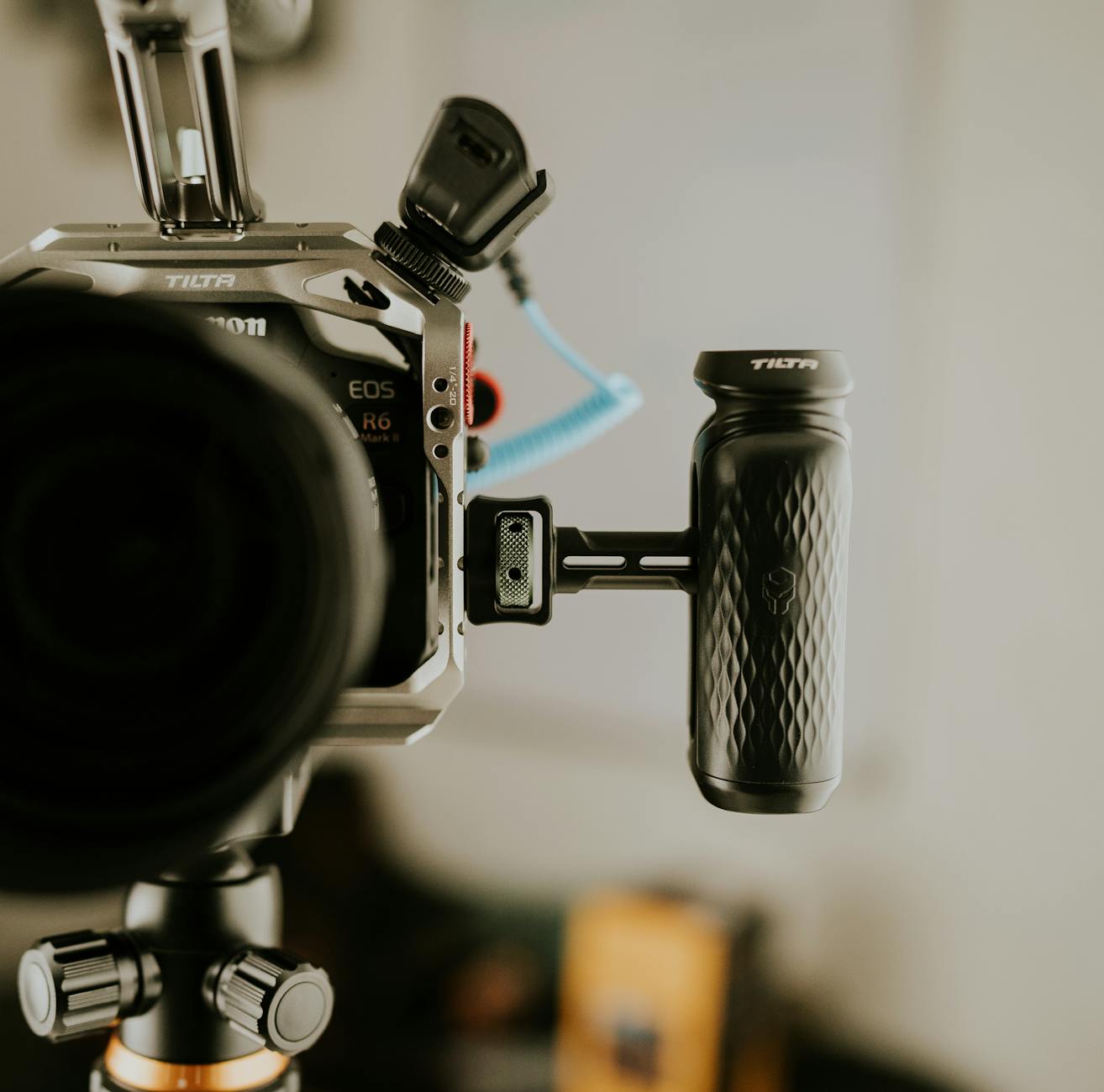 Photo by Amar Preciado
Platforms often say you “own your content,” yet reserve broad rights to use, change, or even profit from what you upload. If it feels confusing, that’s by design. So, let’s pull back the curtain on what free platforms really mean for your ownership and creative power.
Hidden Legal and Financial Risks
Where there’s free access, there’s rarely freedom from risk. Many popular content-hosting platforms bake legal gray areas and financial pitfalls into their terms. If you could see these risks upfront, you might think twice before clicking “I agree” so quickly.
Let’s look at what’s hiding beneath the surface:
- Legal Gray Areas: Some platforms claim the right to use your work in promotions or let others remix it, all without extra pay or even asking. This doesn’t always mean you lose all rights, but it can muddy the water enough that your claim to your own work is weak. Want to see how complicated this gets? ScienceDirect’s analysis on platform governance sheds light on the legal power platforms hold over your uploaded content.
- Forced Arbitration Clauses: Many sites add clauses that stop you from taking them to court. Instead, you’re sent to private arbitration, which is often faster but rarely favors the creator or user. These policies are buried in user agreements and almost never read, leaving you with less recourse if things go south.
- Financial Exposure: If someone else copies your work from a platform or uses it in ways you didn’t allow, the legal and financial road to fixing it is long and expensive. Platforms rarely take responsibility for this. And if you’re tempted by “free” financial advice or investment groups, be aware: your risks can multiply, sometimes without clear warning. The Malta Financial Services Authority highlights how seemingly harmless finance content on free platforms can leave users exposed to financial loss, scams, or regulatory trouble.
- Platform Rights Over Uploaded Content: Most platforms claim a license to use your content as they choose, within the bounds of their terms. It’s not always outright theft, but it stretches your control thin. For example, The Guardian explains how platforms like YouTube let you keep ownership—yet demand broad rights to use, display, or sublicense your creations.
- Responsibility for User-Generated Content: Hosting platforms frequently dodge legal liability when users upload copyright-protected or illegal content. According to SOLV, this can lead to endless battles over who’s responsible, and creators find themselves without support.
Here’s a quick look at some hidden risks and how they play out:
| Hidden Risk | What It Means For You | Who Really Benefits |
|---|---|---|
| Legal gray area in terms | Fuzzy rights and weakened ownership | Platform owners, not creators |
| Forced arbitration | Less legal protection | Company, by lowering legal costs |
| Platform’s perpetual license | Broad use of your content | Platform profits, little return for you |
| Uploading others’ content | Potential for copyright claims | Platform washes hands of the fallout |
| Financial “advice” content | Exposure to scams, no legal safety | Influencers, scammers |
These are not just theoretical risks. People have lost creative control, income, and even legal standing—sometimes overnight, sometimes after years of hard work.
So the next time you upload a video, share a post, or even leave a review, remember: the “free” you’re seeing isn’t always the “free” you’re getting. If the platform’s fine print gives them more power than you, it might be time to rethink the trade-off.
Devaluation of Creative Work and Revenue Loss
Let’s talk about what’s hiding behind that endless stream of “free” music, art, writing, or video you find online. Every time a creator uploads their skills without payment, it doesn’t just float away without consequences. It chips away at how the world values creative work. This isn’t just a feeling—there’s a real, measurable loss for the folks putting in the work, and it isn’t just about money today, but about whether anyone can keep doing this for a living tomorrow.
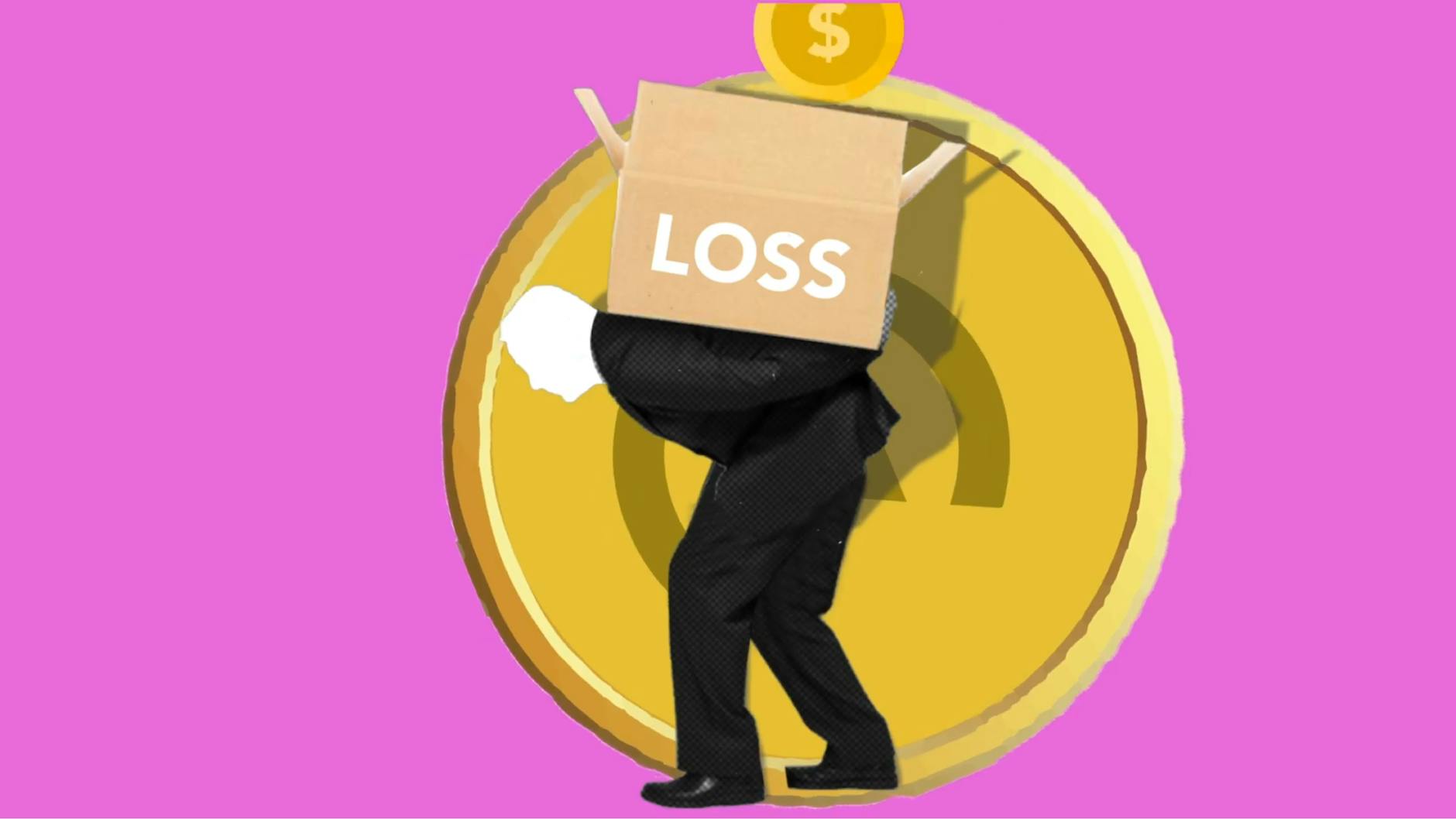 Photo by Monstera Production
Scroll through any social media feed and you’ll see creators—musicians, illustrators, photographers—offering their best work for nothing upfront. The expectation has become the norm: why pay for content when you can get it anywhere, anytime? But here’s the thing: when something is always free, its value seems to fade in people’s minds. It’s not just sad; it’s stressful and can keep talented voices from being heard or making a fair living.
If you’re someone who creates, you might already know the sting: hard work endlessly shared, rarely credited, and even less often paid. If you’re a fan or consumer, you might not realize that every free download, repost, or “viral” moment is part of a bigger pattern. Over time, the pressure for free content doesn’t just sap the fun—it can make entire creative careers unsustainable. If that sounds dramatic, ask any working artist or writer about their bottom line these days.
This reflection on the devaluation of creativity digs into the cultural shifts at play, if you want more perspective.
Barriers for Emerging Creators: Show how reliance on free platforms limits opportunities for new or niche creators, often favoring only the established or viral
You’ve probably heard the phrase “it’s never been easier to become a creator.” That’s sort of true… as long as you play by the house rules. Most free platforms are built to reward what’s easy to package and quick to grab your attention. The result? An environment where only the already-big or already-viral get seen, while anyone starting out (or offering something unique) is left to struggle for scraps.
Here’s what that looks like, day to day:
- Algorithms pick winners: Most platforms show you what’s trending, not what’s different.
- Going viral beats going deep: Depth and discovery get drowned out by what’s hot that second.
- Paychecks favor the famous: Revenue-sharing models give pennies to the masses and big checks to a select few.
- New creators feel invisible: Niche or emerging talent often gets buried—nobody sees the work, no matter how strong.
If you want to see why so many creators are feeling the pinch, check out Creative Work Is Work And Must Be Compensated Fairly. It looks at the growing gap between work and reward, especially for anyone just getting started.
For independent creators, the uphill climb feels even steeper. Free platforms may look inviting, but without a built-in following or the right kind of viral spark, doors stay closed or open only an inch. This isn’t just a problem for individuals—it shapes who gets to build a creative career and who never even gets a shot.
The result? Innovation dries up, fresh ideas vanish, and we’re left with the same old recycled trends. It’s not just unfair—it’s uncreative.
When “free” is the only price people will pay, everyone loses something valuable. If you want to break the cycle and support creative work (your own or someone else’s), start by asking: How can I show this is worth something? Your answer is more powerful than you think.
What Can Creators and Users Do?
So, you’re starting to see the real cost of “free” online content. Maybe you’re a creator who’s poured hours into a project, hoping for more than a few likes and fleeting exposure. Maybe you’re a fan, tired of unwanted ads, privacy headaches or unreliable sources. You want to protect your time, creativity, and even your peace of mind. There are steps—real, practical ones—that can help you keep what matters most. Let’s get into what creators and users can actually do to break the cycle.
Choosing Transparent, Paid Solutions
 Photo by Ben Collins
The saying “you get what you pay for” holds up, especially online. When you use services that charge a fee—whether it’s a subscription, a one-time payment, or a fair commission—you’re often buying more than just convenience. Paid platforms usually put your privacy, ownership, and compensation front and center.
Benefits of going paid:
- You get clear terms. Paid tools are upfront about where your data goes and how it gets used.
- There’s less bait-and-switch. Your creative work isn’t being used to secretly train AI models or fill someone else’s ad bucket without you knowing.
- You’re the customer, not the product. Your money means you have power—platforms want to keep you happy, not just rack up user numbers for advertisers.
- Creators see fairer pay. Transparent pricing and clear revenue splits make it easier for creators to actually earn an income.
If you’re tired of giving away time and ideas for little return, consider solutions built for creators by creators. A tool like Dispatchrly, for example, makes it simple to manage bookings and appointments without trading your privacy. You keep ownership of your calendar, client list, and creative process—so your business can grow on your terms.
Thinking about going beyond free? The Creator Economy overview by eMarketer highlights platforms built for direct monetization and a better creator-to-fan connection.
Practical Steps for Protecting Yourself
Big changes start with small, smart moves. Whether you’re sharing your own work or supporting others, a few habits can make a big difference.
Before you click “agree” or upload your next project, check out these quick wins:
- Read the fine print. It’s not exciting, but knowing what a platform expects from you (and what you’re giving up) is a game-changer. Look for sections about data use, how your content is shared, and what happens if you want to leave.
- Use privacy settings. Almost every platform offers controls over what’s seen, shared, or saved. Tighten these up as much as possible—set profiles to private, limit data sharing, and manage who sees your posts.
- Diversify your income streams. Relying on a single site or social media account is risky. Consider offering paid products, memberships, or consultations on your own website. Use tools that don’t hold your earnings hostage or change the rules without warning. This is a big part of building creative security.
- Watermark or register your work. For creators, protecting content isn’t just about pride—it helps stop theft. Add watermarks to visual work or register copyright when you can. The guide on essential copyright laws for digital creators from Ana Law lays out practical legal basics.
- Advocate for better standards. Platforms listen when enough people speak up! Leave reviews, write to support teams, or join industry discussions about transparency. Push for contracts where creators are paid fairly and users have a say in how their data is handled.
- Stay updated on your rights. Online rules change fast. Follow trustworthy guides like Protecting Your Content: A Guide for Creators for tips on copyright and ownership.
A quick comparison can help put these steps in focus:
| Action | Who It Helps | Why It Matters |
|---|---|---|
| Reading terms | Everyone | Fewer surprises, more control |
| Using privacy tools | Everyone | Less data leaking out |
| Diversifying income | Creators | Less risk, more freedom |
| Watermarking/registering | Creators | Keeps your name and claim |
| Advocating for fairness | Everyone | Higher community standards |
Paying attention, backing up your rights, and seeking fair pay may not feel heroic. But every small step is a vote for a better model—one where people keep control, get paid, and don’t have to fear hidden costs.
You don’t need to overhaul your online life overnight. Just pick the first step that feels doable. Protecting yourself—and those who create the things you love—starts with action.
Conclusion
Hidden costs creep in whenever something online looks “free.” Your time, privacy, and the real value of creative work are always part of the exchange. It’s easy to shrug it off—until you feel burned out, notice your best ideas floating around without credit, or wonder why so much content feels rushed or hollow.
If you want a better deal—for yourself, for the people making the things you love, for the future of creativity—start voting with your choices. Support platforms that protect creators and respect users. Invest your time and money where your rights and effort are valued. Every click, every payment, every word you share makes the internet a little fairer.
What you choose today sets the tone for what comes next. Thanks for reading and caring about the value behind the screen. Have thoughts or stories to share? Drop a comment below—I really do want to hear your take.